
Russian Pet Names carry warmth, romance, and emotional charm that instantly make conversations feel more personal. Across the world, people admire these sweet expressions because they sound soft, poetic, and deeply affectionate. In Russian culture, nicknames are more than cute words. They reflect trust, closeness, and emotional connection between couples, friends, children, and even pets. Many popular Russian nicknames come from animals, nature, or loving qualities, which gives them a gentle and heartwarming feeling. Expressions like Zayka, Kotik, and Solnyshko have become widely loved because they combine sweetness with cultural meaning.
Unlike ordinary English nicknames, Russian affectionate words often use special diminutive endings that make names sound softer and more emotional. This beautiful language tradition explains why so many people search for Russian terms of endearment, Cute Russian nicknames, and meaningful romantic expressions today. Whether you want romantic names for your partner, adorable names for pets, or simply wish to explore Russian culture, these affectionate words offer a fascinating glimpse into emotional communication. Learning Russian pet names also helps you understand how Russians express warmth, tenderness, and love in everyday life.
What Are Russian Pet Names and Why Are They So Popular?
Many people first discover Russian pet names through movies, music, online videos, or relationships with Russian speakers. These names sound gentle because the language uses emotional tones and soft endings. The popularity of Russian nicknames has grown quickly in America because people enjoy expressive and meaningful relationship language.
The charm of Cute Russian nicknames comes from their emotional warmth. Russians rarely use cold or distant language with loved ones. Instead, they choose affectionate expressions like Russian sweet nicknames, Russian love names, and Russian couple nicknames to create intimacy. These words often sound poetic and emotionally rich.
Why Russian Terms of Endearment Feel More Emotional Than English Nicknames
English nicknames often stay simple and direct. Russian expressions, however, feel layered and emotional. The language naturally softens words through affectionate endings. This creates emotional depth and musical rhythm. That emotional texture explains why many people search for Russian romantic nicknames and Russian affectionate words online.
The Cultural Meaning Behind Russian Nicknames and Terms of Endearment
Inside Russian homes, loving language appears everywhere. Parents use soft nicknames with children. Couples use sweet expressions daily. Grandparents often create playful names based on personality or appearance. This emotional style reflects Russian romance culture and traditional family closeness.
The system of Russian affectionate nicknames also reflects trust and emotional connection. Russians usually avoid intimate nicknames with strangers. These expressions belong inside close relationships. This careful use makes the words feel more genuine and meaningful.
| Russian Word | Meaning | Emotional Tone |
| Зайка (Zayka) | Little bunny | Romantic and sweet |
| Котик (Kotik) | Little kitten | Soft and caring |
| Солнышко (Solnyshko) | Little sunshine | Warm and comforting |
| Лапочка (Lapochka) | Sweetie | Tender and loving |
How Russian Diminutives Work in Everyday Language
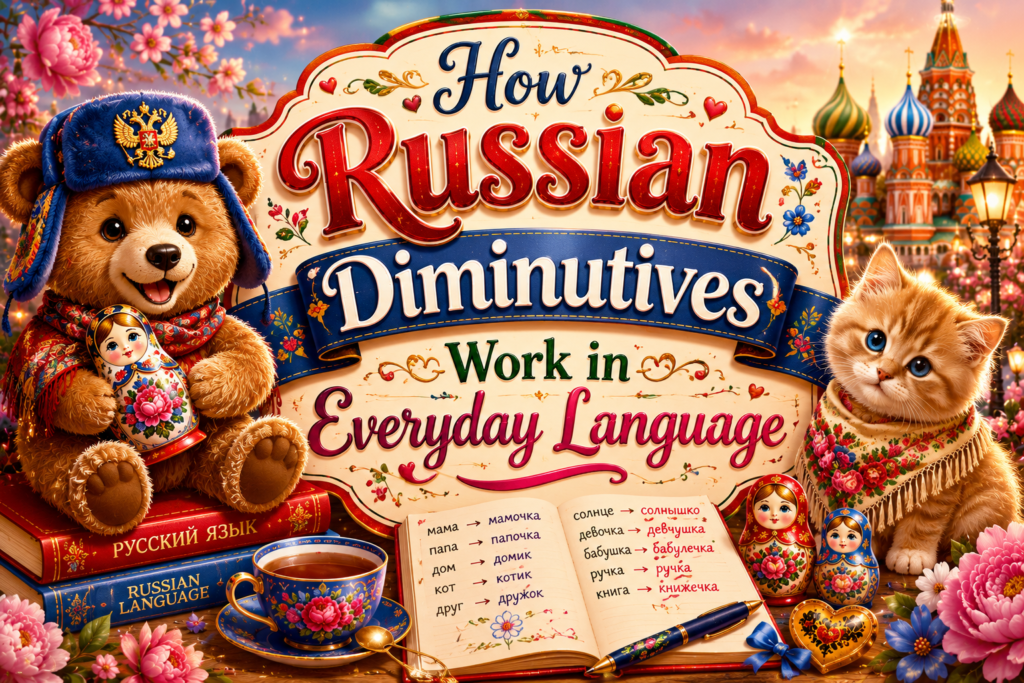
One fascinating part of the language involves Russian diminutives and the Slavic diminutive system. Russians transform ordinary words into emotional expressions by adding soft endings. These endings create warmth and affection instantly. This tradition forms the foundation of Russian affectionate speech.
Many learners become surprised by the flexibility of Russian diminutive forms. A formal name can transform into several softer versions. For example, Alexander becomes Sasha, Sashenka, or Sanyok depending on the emotional situation. This creativity makes Russian language nicknames feel highly personal.
Understanding Russian Diminutive Suffixes
The magic comes from Russian suffixes and Russian diminutive endings. Small changes create huge emotional differences. Russians use endings like -ik, -ochka, -enka, and -ushka to soften words naturally.
| Formal Word | Diminutive Form | Meaning |
| Kot | Kotik | Little kitten |
| Anna | Anechka | Dear Anna |
| Misha | Mishenka | Sweet Misha |
| Zvezda | Zvezdochka | Little star |
Most Common Russian Pet Names and Their Meanings
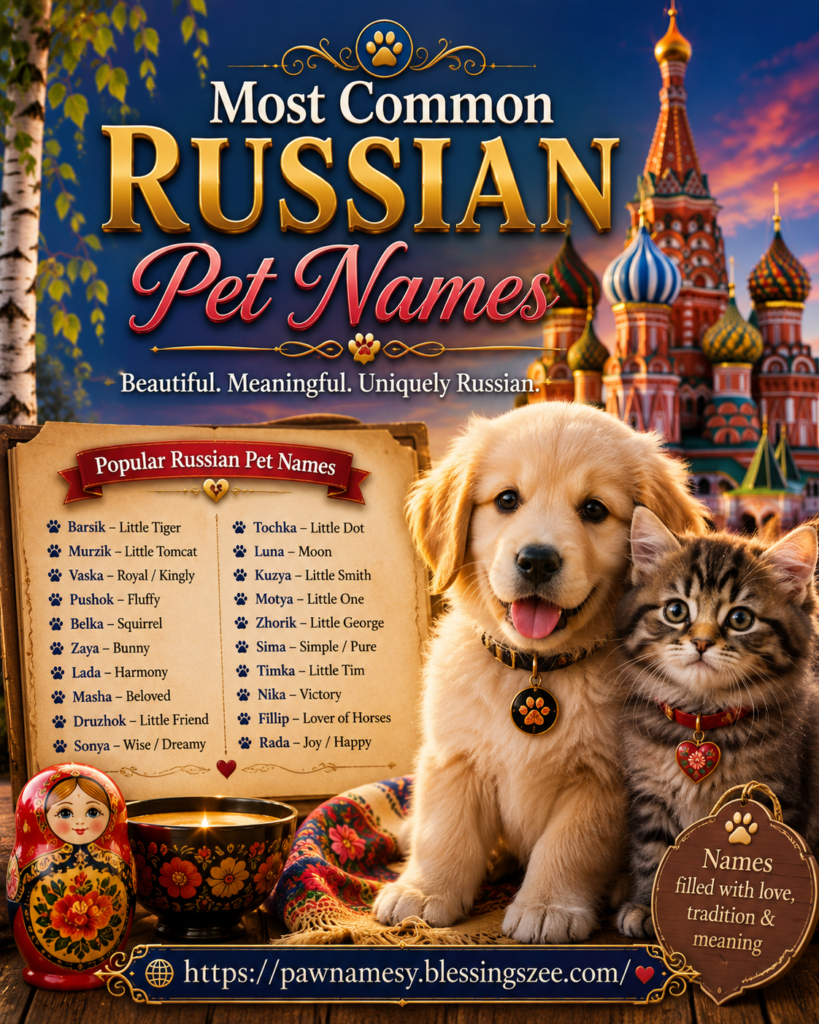
The most famous common Russian pet names often come from animals, nature, and loving emotions. These names sound soft because Russians associate small animals with safety, tenderness, and affection. This explains the popularity of Russian animal nicknames and Russian cute expressions.
Many people search for Russian pet names meanings because each expression carries emotional symbolism. Some names sound playful while others feel deeply romantic. A nickname may express admiration, comfort, or emotional attachment.
| Russian Pet Name | Pronunciation | Meaning |
| Зайка | Zayka | Bunny |
| Котик | Kotik | Kitten |
| Рыбка | Rybka | Little fish |
| Солнышко | Solnyshko | Sunshine |
| Малышка | Malyshka | Baby girl |
Popular Russian Pet Names for Couples
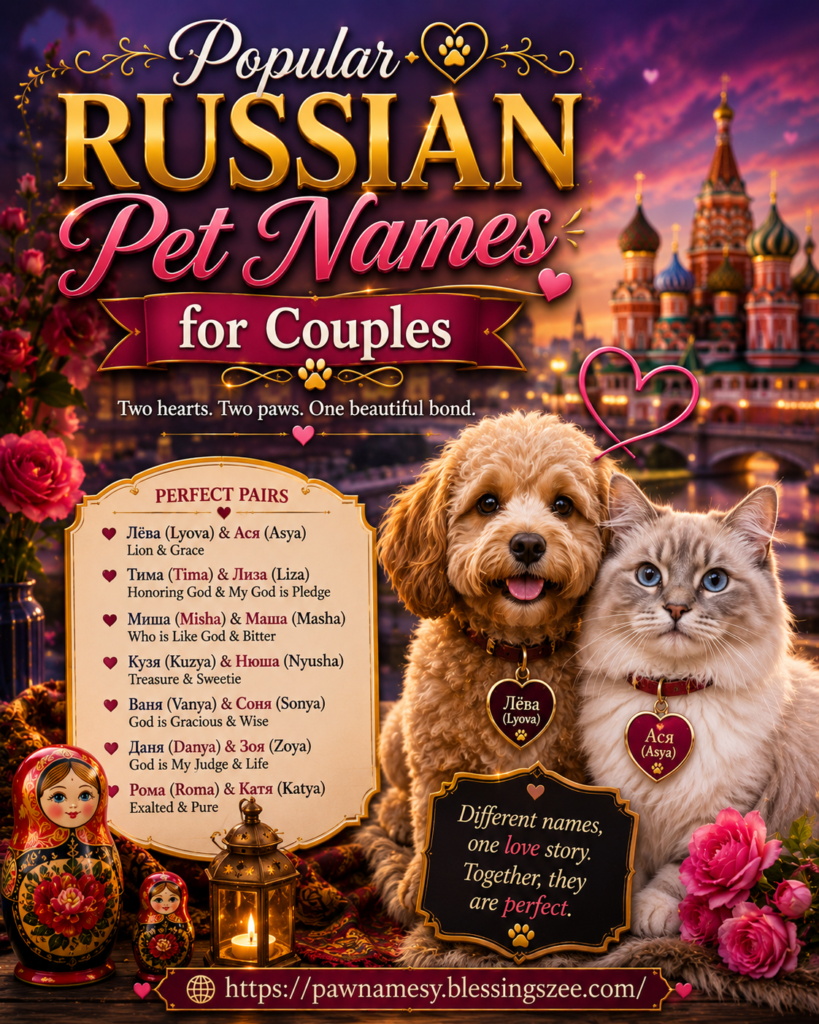
Modern couples frequently use Russian nicknames for couples because they sound intimate and emotionally expressive. Partners often choose names connected to sweetness, warmth, or tiny animals. These names create emotional comfort during daily conversations.
Many American readers become curious about what do Russians call their lovers because Russian expressions sound different from standard English pet names. Russians commonly use bunny, kitten, sunshine, and darling instead of simple names like babe or honey.
- Zayka (Зайка) – Little bunny
- Kotik (Котик) – Little kitten
- Solnyshko (Солнышко) – Little sunshine
- Lapochka (Лапочка) – Sweetie or darling
- Malysh (Малыш) – Baby boy
- Malyshka (Малышка) – Baby girl
- Lyubimyy (Любимый) – Beloved man
- Lyubimaya (Любимая) – Beloved woman
- Rybka (Рыбка) – Little fish
- Medvezhonok (Медвежонок) – Little bear
- Zvezdochka (Звёздочка) – Little star
- Businka (Бусинка) – Little bead
- Dorogoy (Дорогой) – Dear man
- Dorogaya (Дорогая) – Dear woman
- Lastochka (Ласточка) – Little swallow bird
- Pupsik (Пупсик) – Cutie or baby doll
- Kroshka (Крошка) – Tiny one
- Milaya (Милая) – Sweet girl
- Milyy (Милый) – Sweet boy
- Dusha Moya (Душа моя) – My soul
Cute Russian Nicknames for Boyfriends and Husbands
Many women search for Russian pet names for boyfriend because Russian expressions sound affectionate without feeling overly dramatic. Soft masculine nicknames often express protection, kindness, or playful charm. These expressions create closeness while still sounding natural.
Popular Russian nicknames for husband often include words linked to strength mixed with tenderness. Russians enjoy balancing masculinity with emotional warmth. This emotional contrast makes the language feel romantic and memorable.
| Russian Nickname | Meaning |
| Любимый | Beloved |
| Котик | Kitten |
| Медвежонок | Little bear |
| Солнце | Sunshine |
Romantic Russian Names Men Commonly Hear

Expressions like Russian darling nickname, Russian sweetheart words, and Russian words for beloved appear frequently between couples. Men may hear names like Kotik or Malysh when their partners want to sound caring and playful.
The emotional softness of these words reflects Russian emotional vocabulary and emotional openness inside close relationships. Russians often communicate love through tone and affectionate wording instead of dramatic declarations.
Romantic Russian Names Men Commonly Hear
- Lyubimyy (Любимый) – Beloved or my love
- Kotik (Котик) – Little kitten
- Zaychik (Зайчик) – Little bunny
- Malysh (Малыш) – Baby or little one
- Solntse (Солнце) – Sunshine
- Medvezhonok (Медвежонок) – Little bear
- Dorogoy (Дорогой) – Dear or precious
- Milyy (Милый) – Sweetheart or sweet man
- Lapulya (Лапуля) – Cutie pie
- Pupsik (Пупсик) – Baby doll or cutie
- Rodnoy (Родной) – My own or soulmate
- Zolotko (Золотко) – Little gold
- Angelok (Ангелок) – Little angel
- Krasavchik (Красавчик) – Handsome guy
- Sladkiy (Сладкий) – Sweet one
- Rybak Moy (Рыбак мой) – My fisherman, playful romantic nickname
- Sokrovishche (Сокровище) – Treasure
- Lev Moy (Лев мой) – My lion
- Murzik (Мурзик) – Purring kitty, playful and cute
- Dusha Moya (Душа моя) – My soul
Adorable Russian Nicknames for Girlfriends and Wives
Many men enjoy using Russian pet names for girlfriend because the words sound elegant and emotionally warm. These names often include sweetness, beauty, light, or tenderness. Russian women commonly hear affectionate names based on flowers, sunshine, or small animals.
The popularity of Russian nicknames for wife comes from their emotional flexibility. A single nickname can sound romantic, playful, protective, or comforting depending on tone and context.
| Russian Name | Meaning |
| Солнышко | Sunshine |
| Лапочка | Sweetie |
| Звёздочка | Little star |
| Малышка | Baby girl |
Feminine Russian Pet Names That Sound Elegant
The famous Solnyshko meaning represents warmth, comfort, and emotional light. Meanwhile, the Lapochka meaning reflects tenderness and sweetness. These expressions appear frequently in Russian romantic language.
Another popular expression involves the Malyshka meaning, which translates loosely as baby girl or little one. Russians use this expression lovingly between partners and family members.
Funny Russian Nicknames That Russians Actually Use
Humor plays an important role in Russian nickname culture. Russians often create funny nicknames based on habits, appearance, or playful teasing. These expressions usually sound affectionate instead of insulting.
Many funny names belong to modern Russian slang nicknames used between close friends and couples. Some playful nicknames compare loved ones to sleepy bears, tiny birds, or fluffy cats.
Playful Russian Nicknames Between Friends
Close friends often invent personalized nicknames connected to personality traits. This creativity explains why Russian nicknames for friends feel highly personal and emotionally unique.
Funny expressions also reveal how flexible the language becomes during emotional communication. Russians enjoy playful exaggeration and affectionate humor in daily life.
Russian Animal Nicknames and Why They Sound Affectionate
Many English speakers ask, “Why do Russians use animal nicknames?” The answer comes from cultural symbolism. Small animals symbolize softness, innocence, comfort, and emotional closeness inside Russian relationships.
This tradition created countless affectionate animal names in Russian. Rabbits, kittens, birds, and little bears all represent emotional warmth. These expressions sound caring rather than childish.
| Animal Nickname | Meaning | Emotional Feeling |
| Зайка | Bunny | Sweet and romantic |
| Котик | Kitten | Soft and caring |
| Мышка | Little mouse | Tiny and adorable |
| Медвежонок | Little bear | Protective and cute |
Why Bunny and Kitten Nicknames Feel Loving in Russian
The famous Zayka meaning connects to tenderness and romance. The equally popular Kotik meaning reflects emotional comfort and softness. These expressions dominate modern Russian couple language.
Because these names feel emotionally safe, many learners choose them first when studying Russian words of affection and Russian romantic terms explained online.
Best Russian Nicknames for Friends, Family, and Children
Not every nickname sounds romantic. Many Russian family nicknames and Russian affectionate names for friends express care without romantic meaning. Parents, grandparents, siblings, and lifelong friends all use affectionate speech daily.
Russian children often grow up hearing soft expressions every day. This constant use of emotional language strengthens emotional trust and closeness within families.
Friendly Russian Nicknames for Close Friends
Popular expressions include sunshine, little bird, bunny, and clever one. These names create emotional warmth without sounding awkward. Many Americans now enjoy using these expressions because they sound more heartfelt than ordinary English nicknames.
The use of Russian pet names for kids also reflects traditional family warmth inside Russian social etiquette and Eastern European nicknames culture.
Russian Pet Names for Cats and Dogs
Many pet owners now search for Russian names for pets, Russian dog names, and Russian cat names because the names sound elegant and memorable. Russian-inspired names work beautifully for fluffy cats, energetic dogs, and playful pets.
The popularity of Russian-inspired pet names has increased in the United States because these names feel exotic yet emotionally soft. Many pet lovers enjoy names connected to Russian history, animals, or personality traits.
| Pet Name | Best For | Meaning |
| Mishka | Dog | Little bear |
| Belka | Cat | Squirrel |
| Ryzhik | Orange cat | Ginger one |
| Zvezda | Elegant pet | Star |
Russian Pet Naming Ideas Based on Personality
Energetic pets often receive playful names while calm pets receive softer expressions. This emotional matching forms part of traditional pet naming traditions and Russian naming customs.
Many pet owners also search for Russian nicknames for pets, Russian cute names for pets, and unique Russian pet names ideas to find names that sound meaningful and unique.
Gender Differences in Russian Nicknames and Pet Names
Many learners ask, “Are Russian nicknames gendered?” The answer is yes. Russian grammar changes endings depending on gender. Masculine and feminine forms often sound similar yet end differently.
This structure explains why understanding gendered Russian nicknames matters when learning affectionate speech. A wrong ending may sound unnatural or grammatically incorrect.
| Feminine Form | Masculine Form | Meaning |
| Любимая | Любимый | Beloved |
| Дорогая | Дорогой | Dear |
| Красивая | Красивый | Beautiful |
Masculine and Feminine Russian Nicknames
Understanding masculine and feminine Russian nicknames helps learners avoid embarrassing mistakes. Some animal nicknames remain neutral while adjective-based names change according to gender.
This grammatical structure forms an important part of Russian linguistics and emotional communication.
Russian Nicknames Based on Personality, Appearance, and Traits
Many Russian soft nicknames connect directly to personality traits. Kind people may receive sweet names while energetic people receive playful ones. Russians enjoy creating expressive nicknames that match emotional energy.
Appearance also inspires many affectionate expressions. Someone with bright hair, sparkling eyes, or a cheerful smile may receive a nickname linked to sunshine, stars, or gold.
Nicknames Inspired by Beauty and Kindness
These expressions show how deeply emotional language connects with daily life. Russians often create names based on emotional impressions instead of literal descriptions.
This emotional creativity explains the beauty of Russian cultural nicknames and the flexibility of Russian naming system traditions.
Romantic Russian Love Names and Their English Meanings
Romance sits at the center of many Russian love terms and Russian romantic phrases. Russian lovers often use emotionally rich expressions instead of repetitive modern slang.
Many learners search for Russian love nicknames meanings because these words sound poetic and emotionally sincere. Russians often combine emotional warmth with playful tenderness.
| Romantic Name | English Meaning |
| Любовь моя | My love |
| Солнышко | Sunshine |
| Родная | My dear |
| Душа моя | My soul |
Russian Love Expressions You Can Use Daily
Many modern couples now use Russian romantic words for lovers in text messages, social media captions, and daily conversations. These names create emotional closeness quickly.
The rise of online culture has also increased global interest in Russian romantic vocabulary for beginners and modern affectionate speech.
Russian Pet Names You Should Avoid Using
Not every nickname sounds friendly. Some expressions may sound rude, sarcastic, or insensitive depending on tone and context. Learning Russian nickname etiquette helps avoid awkward mistakes.
Certain animal names may feel insulting if used incorrectly. Russians usually reserve intimate nicknames for trusted relationships only.
Pet Names That May Sound Offensive
Expressions linked to weight, laziness, or mocking humor may create discomfort. Context changes emotional meaning dramatically in Russian communication.
Because emotional nuance matters greatly, learners should focus first on the safest Russian pet names to use before experimenting with playful slang.
When and How to Use Russian Nicknames Correctly
Many learners ask, “How do Russians express affection?” Russians usually use affectionate language with close friends, partners, children, and family members. Using intimate language too early may sound strange.
Understanding how to use Russian pet names properly helps conversations feel natural. Emotional tone matters as much as vocabulary.
Situations Where Russian Pet Names Sound Natural
Romantic relationships, close friendships, and family settings create the best environment for affectionate speech. Russians value emotional sincerity and genuine connection.
This explains why Russian pet names for lovers, Russian partner nicknames, and Russian relationship nicknames feel deeply meaningful inside trusted relationships.
FAQ About Russian Pet Names and Nicknames
What are Russian pet names?
Russian pet names explained simply means affectionate words used between loved ones. These names express closeness, warmth, and emotional connection.
What does zayka mean in Russian?
The famous Russian bunny nickname translates to little bunny. It remains one of the most popular romantic expressions in modern Russian.
What does kotik mean in Russian?
The popular Russian kitten nickname means little kitten. Couples frequently use this soft and affectionate expression.
What are cute Russian nicknames?
Popular Russian cute names include Zayka, Kotik, Solnyshko, and Lapochka. These names sound sweet, playful, and emotionally warm.
Can Russian pet names be used for friends?
Yes. Many affectionate expressions work between lifelong friends and family members when emotional closeness already exists.
What are Russian dog names and cat names?
Popular Russian nicknames for cats and dogs include Mishka, Belka, Ryzhik, and Zvezda. These names sound memorable and expressive.
Conclusion
The world of Russian pet names reveals emotional warmth, cultural tradition, and expressive communication. These affectionate expressions show how language can strengthen relationships and create emotional comfort.
From playful animal names to deeply romantic expressions, Russian affectionate speech carries emotional beauty rarely found in ordinary conversation. Whether you want best Russian pet names with meanings, Russian couple pet names, or elegant names for pets, this rich vocabulary offers endless inspiration.
As interest in modern Russian nicknames, Russian romantic language, and Russian language affection continues growing in the United States, more people now appreciate the emotional charm hidden inside these timeless expressions.
